Drug Educators Alliance

Marijuana & THC What You Need to Know.

Marijuana products can contain THC, the principal intoxicating cannabinoid in ordinary marijuana discussions. Products vary widely in form, concentration and route of use, and those differences can affect how THC is experienced.

Learn More About Marijuana & THC ↓
Understanding the terms

What is marijuana & THC?

Marijuana generally refers to products derived from the cannabis plant. The terms marijuana and cannabis overlap in common use, but they are not interchangeable in every legal, scientific or regulatory context.

THC, or tetrahydrocannabinol, is the principal intoxicating cannabinoid discussed in relation to marijuana.

Today's marijuana market includes flower, concentrates, vape products, edibles, beverages and other formulations. These products can differ substantially in THC concentration, dose expression, formulation and route of administration.

Product forms

How marijuana & THC are used

THC can be delivered through several different product types. The route of administration changes how quickly effects begin, how long they may last and how variable the experience can be.

Illustrative image representing smoked marijuana

Smoking

Inhaled THC generally produces faster onset and earlier peak blood concentrations than oral THC.

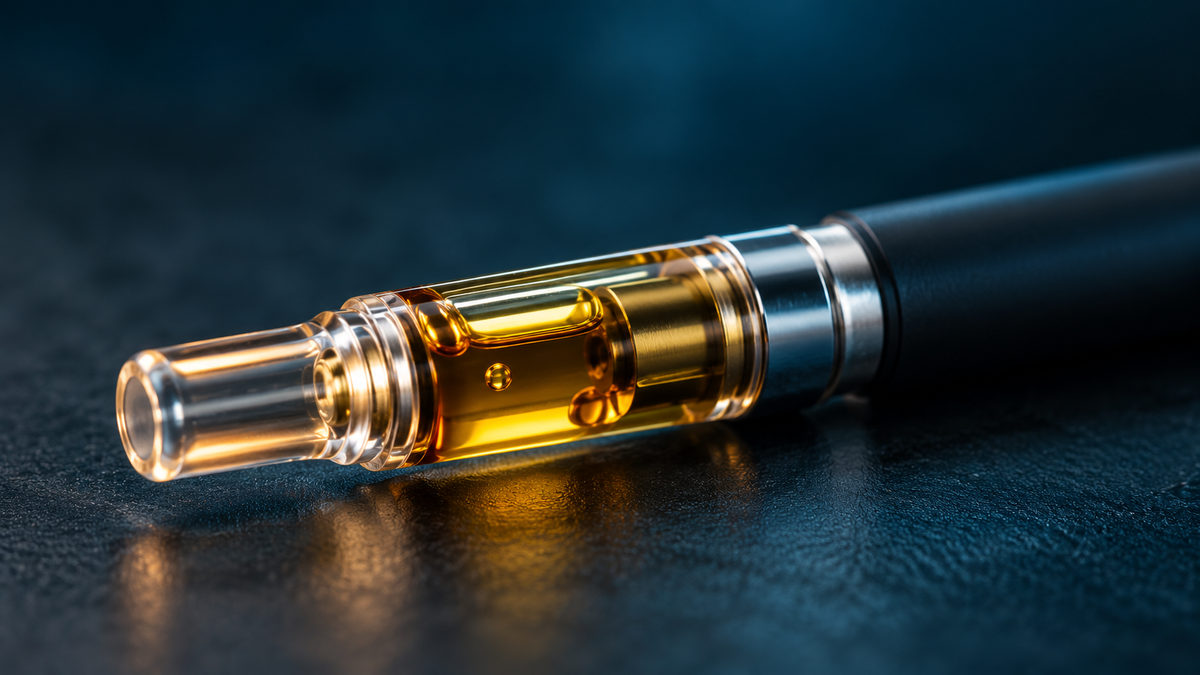
Illustrative image of a THC vape cartridge

Vaping

THC can be inhaled through vape products. Commercial liquid THC products should not be assumed to behave exactly like smoked marijuana or dry-herb vaporization.
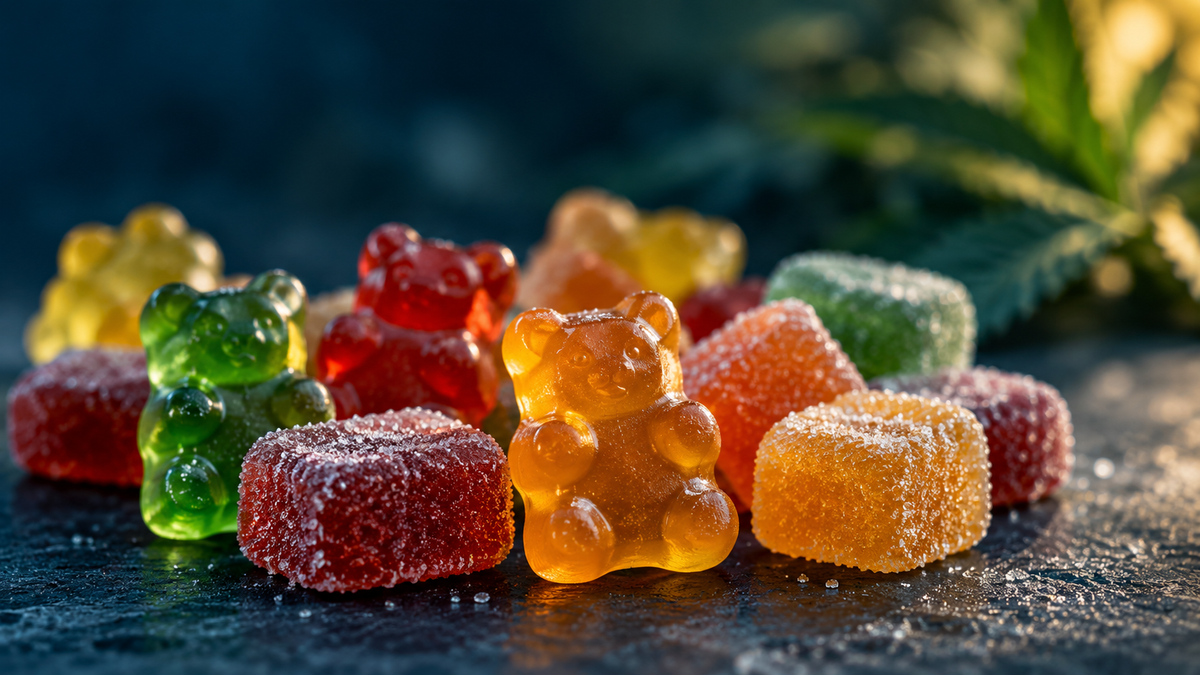
Illustrative image of edible THC products

Edibles

Oral THC generally has slower and more variable absorption than inhaled THC. Different edible formulations can also behave differently.

Illustrative image of marijuana concentrate

Concentrates

Concentrates and extracts can contain substantially higher THC concentrations than flower, although exact concentrations vary by product and market.

Understanding today's products

What research shows about modern marijuana & THC

%
Potency has changed THC concentration in cannabis plant material has increased over time, but exact levels vary by product, place and data source.
◈
Product type matters Flower, concentrates, edibles and vape products should not be treated as equivalent forms of exposure.
↑
Concentrates can be stronger Concentrates and extracts can contain substantially higher THC concentrations than flower.
↔
Potency is not dose Actual THC exposure also depends on amount used, route, formulation, frequency and individual factors.
Illustrative brain graphic representing cognition and development
Risks & effects

Marijuana can affect people differently.

Research on marijuana includes effects on cognition, mental health, dependence and educational outcomes. Findings vary by age, product, frequency, dose, study design and individual factors.

  • THC intoxication can affect attention, memory, judgment and coordination.
  • Research involving adolescents has found associations between cannabis exposure and some cognitive and brain-development measures, but those findings do not establish universal or irreversible brain damage.
  • Frequent cannabis use is associated with a greater risk of cannabis use disorder, but frequency alone does not diagnose a disorder.
  • Research has identified associations between cannabis use and psychosis-related outcomes, particularly in some higher exposure patterns, but cannabis use does not mean a person will develop schizophrenia.
  • Associations with depression and anxiety are more mixed and can be affected by shared vulnerabilities and other factors.
When use may be becoming a problem

Warning signs worth paying attention to

No single behavior proves that someone has cannabis use disorder. What matters is whether use is becoming difficult to control or interfering with daily life.

  • Repeated difficulty cutting down or stopping.
  • Marijuana use interfering with school, work, responsibilities or relationships.
  • Increasing time spent obtaining, using or recovering from marijuana.
  • Continuing to use despite recurring problems.
  • A pattern of use becoming more frequent or more difficult for the person to manage.
Cannabis use disorder is diagnosed from a pattern of symptoms and impairment. A positive THC test or frequent use alone does not establish a diagnosis.
Supportive conversation with a young person
Practical next steps

What you can do

Clear information and open conversations can help people understand marijuana products, ask better questions and make informed decisions.

♥

For Parents & Families

  • Have calm, direct conversations about marijuana and THC.
  • Learn the difference between flower, vapes, edibles and concentrates.
  • Pay attention when substance use begins interfering with everyday responsibilities or relationships.
  • Seek qualified professional help when you are concerned about a young person's use or mental health.
▣

For Schools & Educators

  • Provide factual, age-appropriate drug education.
  • Explain that marijuana products are not all the same.
  • Separate established evidence from exaggerated claims.
  • Connect students and families with appropriate resources when concerns arise.
👥

For Young People

  • Know that THC products can differ substantially in strength and how quickly they affect you.
  • Do not assume that a legal or commercially available product is risk-free.
  • Avoid driving or operating a vehicle while impaired.
  • Talk with a trusted adult or qualified professional if marijuana use is causing problems in your life.
Frequently asked questions

Common questions about marijuana & THC

Straightforward answers based on source-reviewed research.

What is the difference between marijuana and THC?
Marijuana generally refers to products derived from the cannabis plant. THC is one cannabinoid in the plant and is the principal intoxicating cannabinoid discussed in ordinary marijuana use.
Are marijuana and cannabis the same thing?
The terms overlap in common use, but they are not interchangeable in every legal, scientific, regulatory or commercial context.
Is today's marijuana stronger than marijuana in the past?
THC concentration in cannabis plant material has increased over time. However, exact potency estimates depend on product type, sampling method, region, testing system and time period.
Are edibles safer than smoking marijuana?
There is not one simple answer. Different routes have different risk profiles. Oral THC generally has slower and more variable absorption than inhaled THC, while inhaled products create different respiratory and exposure considerations.
Can marijuana be addictive?
Cannabis use disorder is a recognized condition involving a pattern of symptoms and impairment. Frequent use can be associated with greater risk, but frequency alone does not establish a diagnosis.
Does marijuana affect the developing brain?
Research has found associations between adolescent cannabis exposure and some cognitive and brain-development measures. The evidence does not support saying that marijuana has been proven to cause irreversible brain damage in every young person.
Are concentrates different from marijuana flower?
Yes. Concentrates and extracts can contain substantially higher THC concentrations than flower. Exact concentrations vary by product type, jurisdiction and testing system.
Does a positive THC test prove someone is impaired?
No. THC detection, blood THC concentration, intoxication and functional impairment are related but distinct concepts. A positive test alone does not prove a specific degree of current behavioral impairment.
Educational resources

Continue learning about marijuana & THC

Explore educational materials and practical resources for families, educators and communities.

View All Resources →
Research basis: Page content was developed from Drug Educators Alliance's source-reviewed marijuana research and controlled claim materials, including evidence on terminology, product forms, potency, youth and cognitive outcomes, cannabis use disorder and psychiatric associations. Significant medical and scientific claims remain subject to organizational review before publication.
Help prevent drug abuse

Start the conversation today.

Truthful, factual, age-appropriate drug education can help young people understand marijuana and THC, ask better questions and make informed decisions.

Scroll to Top

Notify when Courses are released

Learn More About Our First Time
Offender Program

Learn more about our Training the
Trainers program

Learn more about our in-person Youth
Drug Education