▶

Alcohol can affect the brain, body, judgment and coordination. Learn about its effects, possible risks, warning signs and practical ways families, educators and communities can help prevent misuse.
Learn how alcohol can affect the brain, behavior and physical health, and why its effects can vary from person to person.
Get the Facts →


Find resources to help start factual conversations about alcohol and its effects.
View Resources →
Explore educational materials and prevention resources for schools and communities.
Access Tools →Alcohol can affect many areas of a person's health and behavior. Effects vary depending on factors such as amount consumed, timing, individual characteristics and other substances being used.
Alcohol can affect memory, attention, judgment, coordination and reaction time.
Alcohol use can affect multiple body systems. Greater amounts and repeated heavy use can increase health risks.
Impairment can increase the risk of injuries, unsafe decisions and other alcohol-related problems.
No single sign proves alcohol misuse. Patterns or significant changes may be worth discussing.
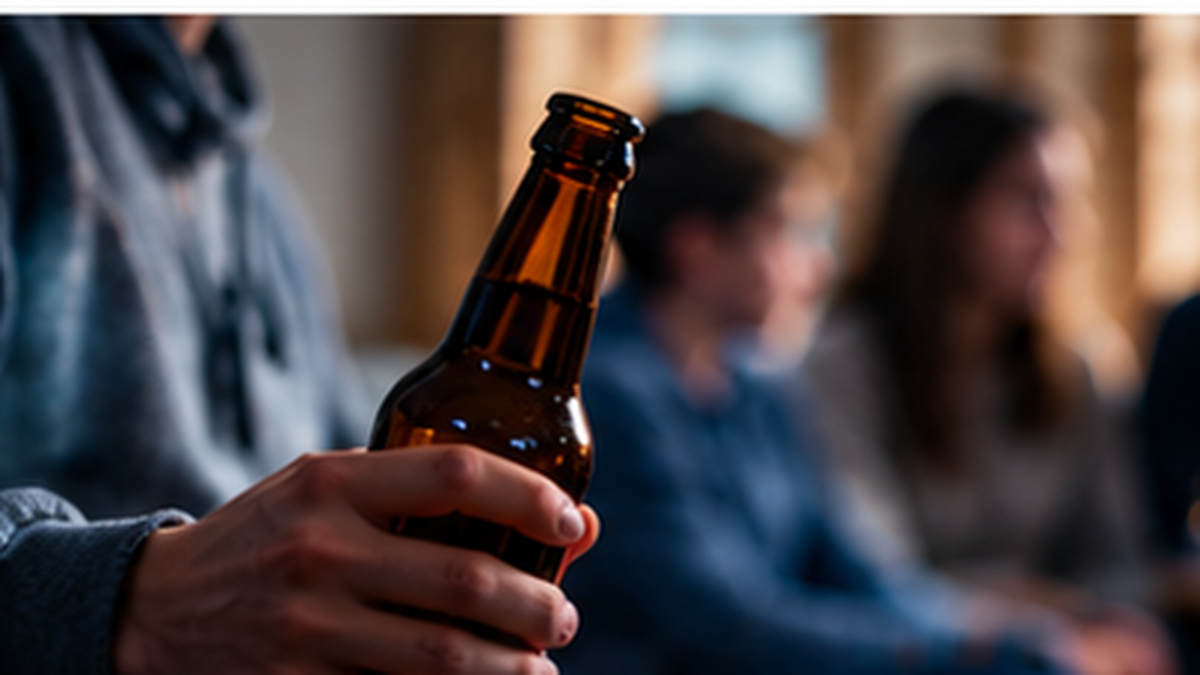
Prevention starts with truthful information, clear expectations and conversations that help people understand alcohol-related risks.
Ask questions, listen and discuss alcohol using factual information.
Make expectations around alcohol and safety clear and understandable.
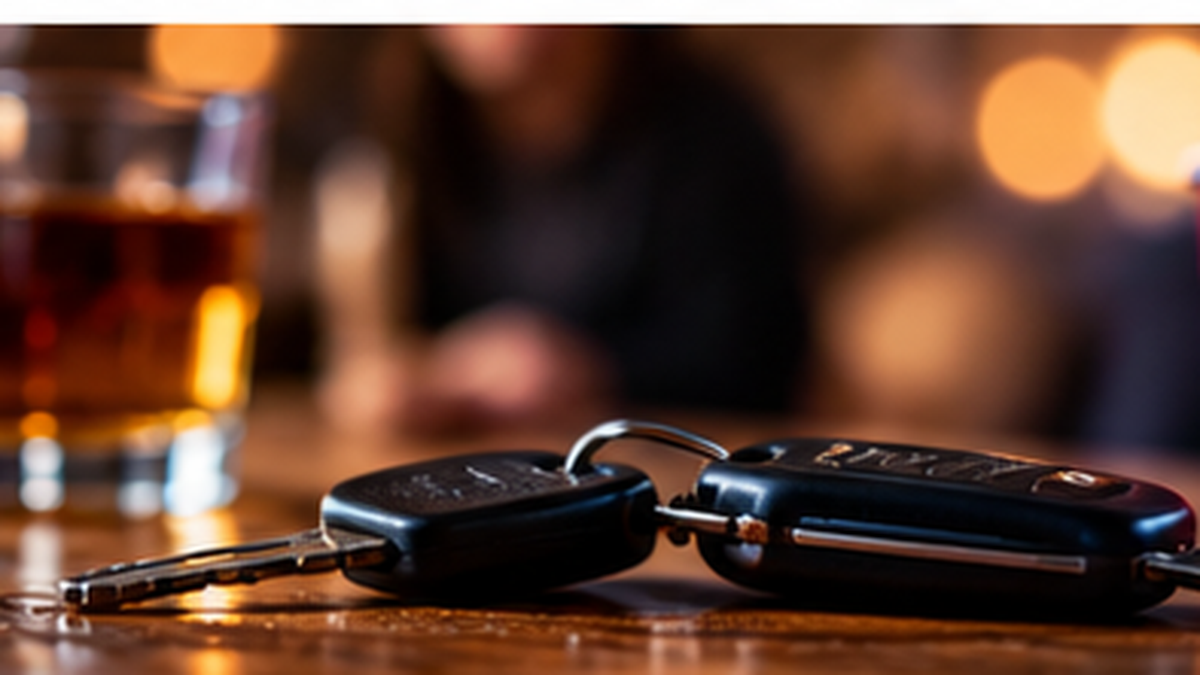
Plan safe transportation and do not drive after drinking.
Give young people practical information they can understand and use.
Clear information can help separate common assumptions from what is known about alcohol and impairment.
Caffeine may make someone feel more alert, but it does not remove alcohol from the body.
Alcohol levels decline as the body metabolizes alcohol over time.
Alcohol can affect judgment, coordination and reaction time before someone appears visibly intoxicated.
Effects can vary with amount consumed, timing, body characteristics, food, medications and other factors.
Explore educational information and materials for young people, families, educators and community organizations.