
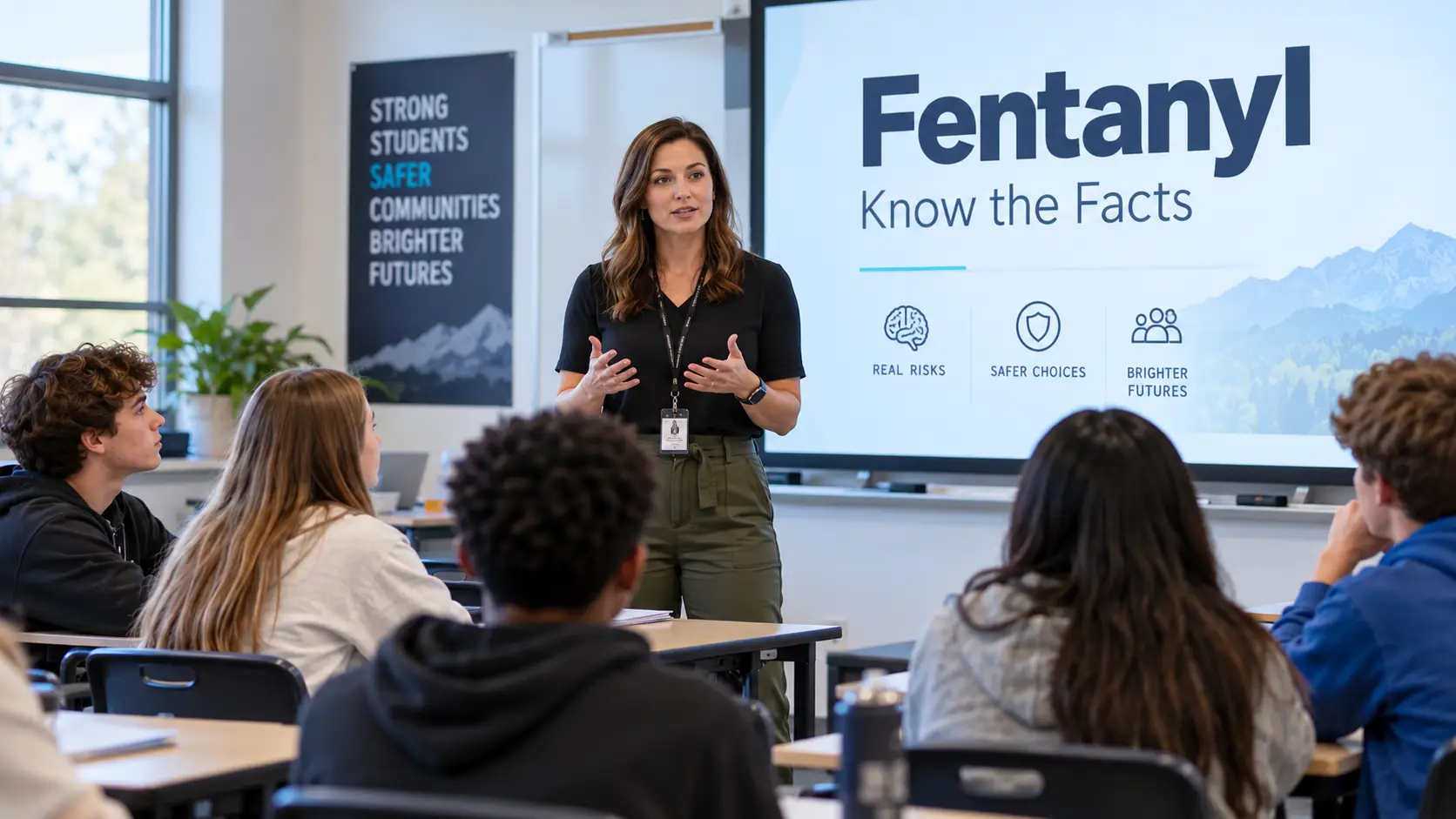
What should students know about fentanyl?
Students should leave your lesson knowing five things:
- Fentanyl is a synthetic opioid that is 50 to 100 times more potent than morphine. (CDC)
- As little as 2 milligrams, about the amount on the tip of a pencil, can be a deadly dose. (DEA)
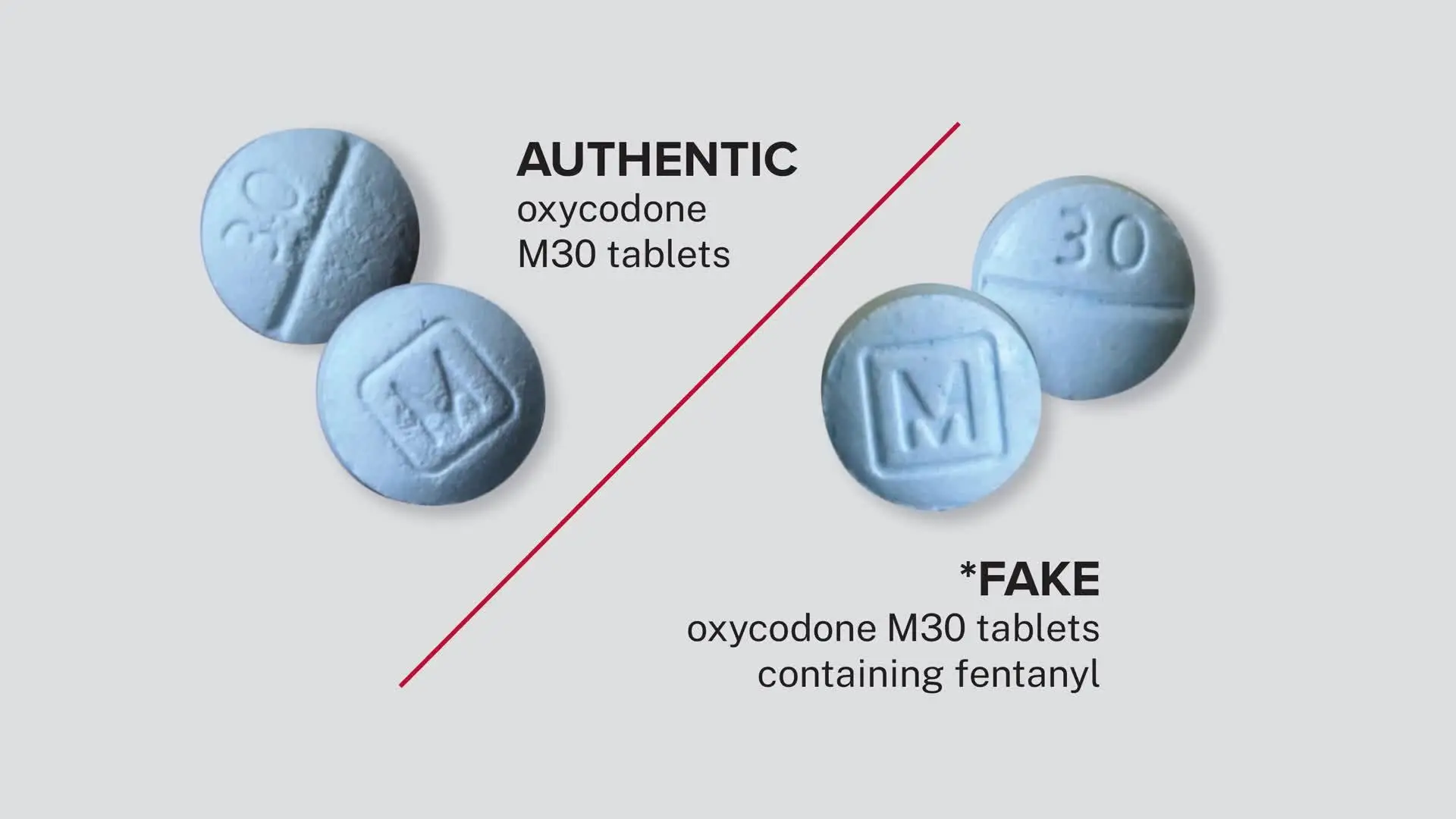
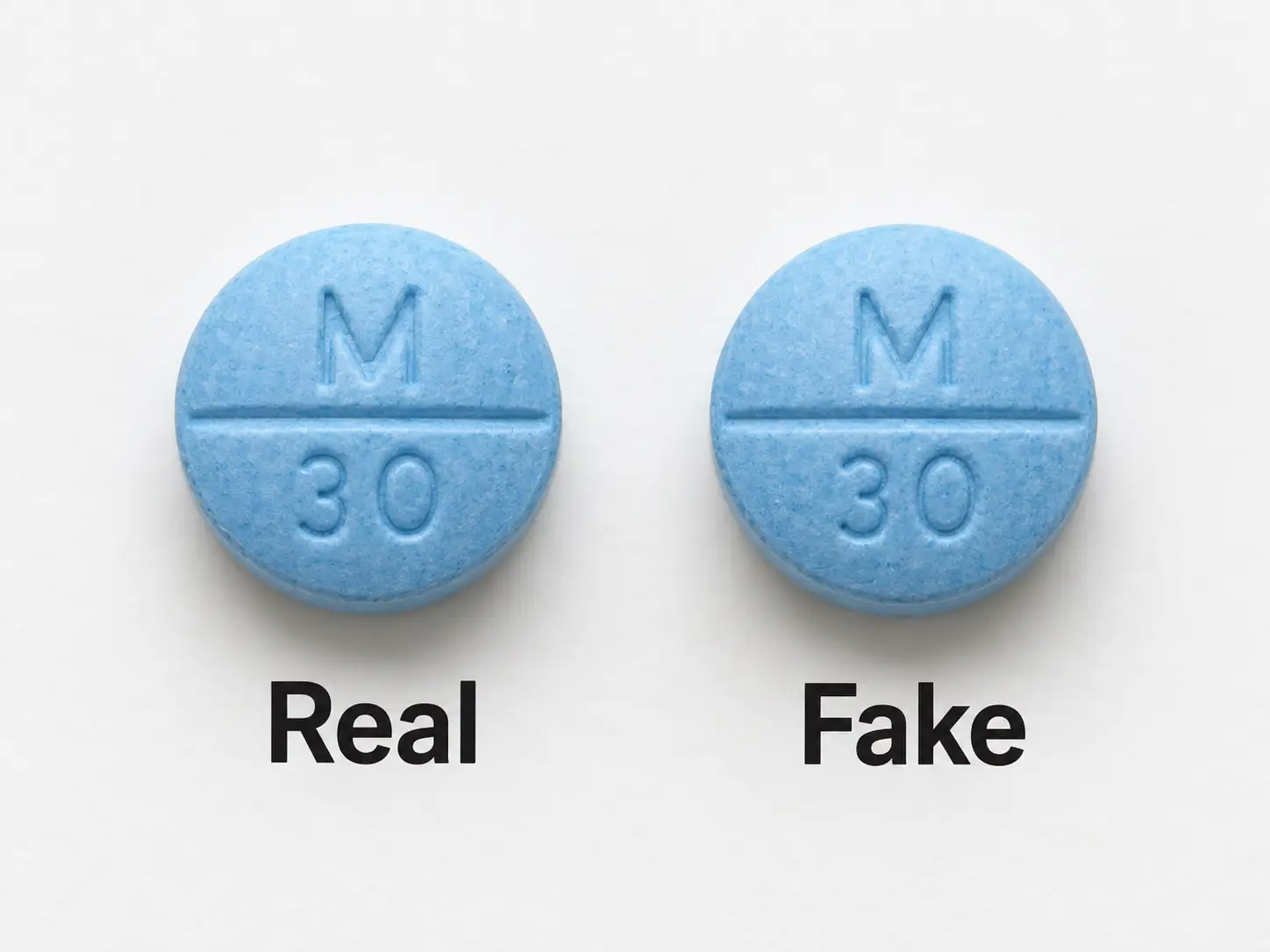
- Fake pills are made to look like real medicine, such as oxycodone ("M30s") or Xanax, and are often pressed with fentanyl. In 2025, the DEA seized more than 47 million fentanyl-laced fake pills. (CDC, DEA)
- Fentanyl can be mixed into other drugs, including cocaine and methamphetamine, without the person knowing. (CDC)
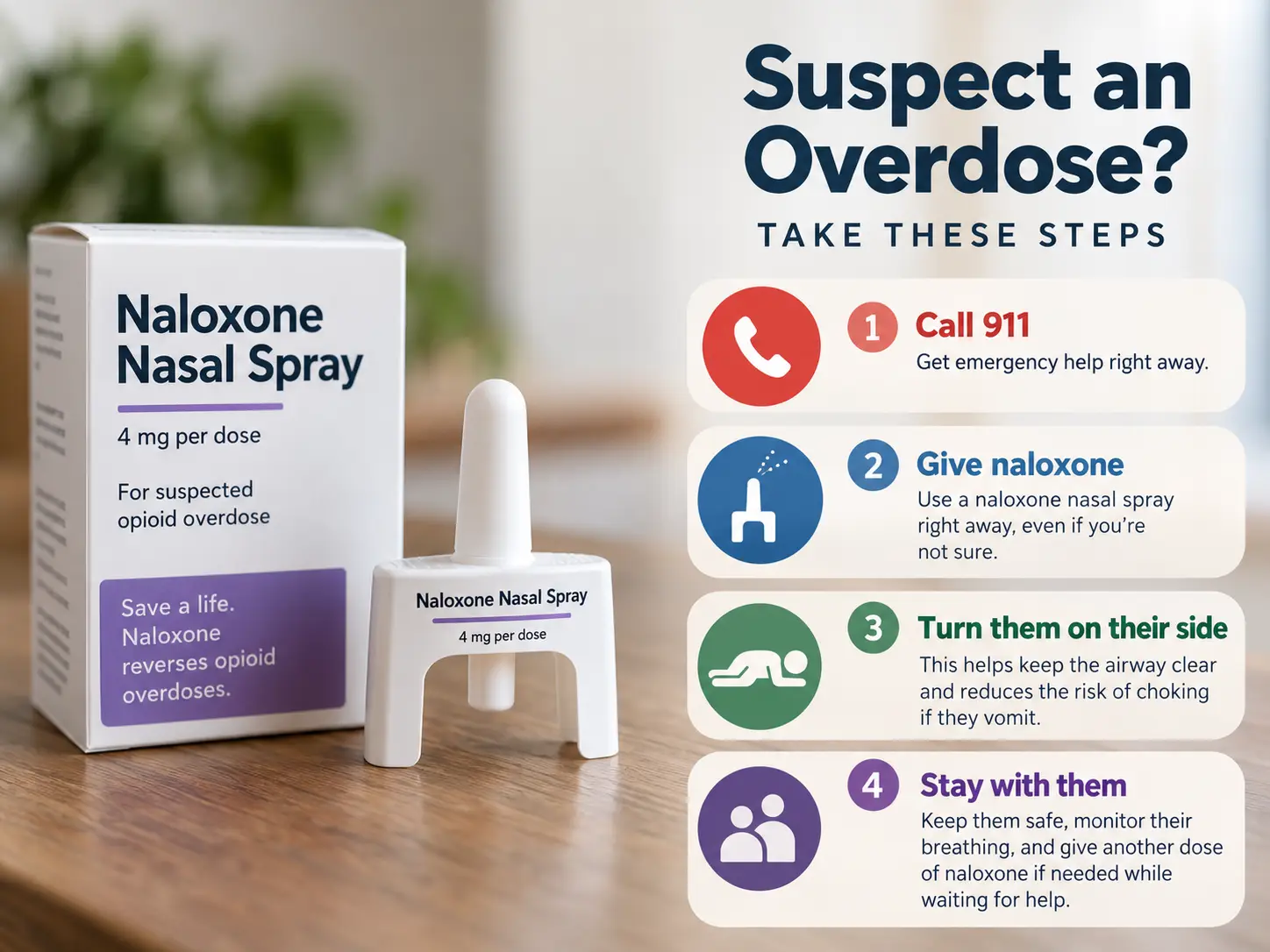
- Naloxone (Narcan) can reverse an opioid overdose, including from fentanyl, and calling 911 right away saves lives. (CDC)
How do I start the conversation?
Start with a question, not a lecture. Ask students what they have heard about fentanyl or "pressies" online. Listen first, then correct myths with facts. Students engage more when they feel their experience is taken seriously.
Keep your tone calm and factual. Scare tactics and exaggerated stories tend to backfire with teens, who quickly spot claims that do not match what they see. The real facts about fentanyl are serious enough on their own.
A 20-minute fentanyl lesson plan
How do I answer hard questions?
"Can fentanyl kill you if you touch it?"
Brief skin contact is very unlikely to cause an overdose. The real danger is swallowing, snorting or smoking it, usually in a pill or powder.
"What if I only take half a pill?"
Fentanyl is not spread evenly through fake pills, so one part of a pill can hold far more than another. There is no safe amount of an unknown pill.
"Do fentanyl test strips make it safe?"
No. Test strips can show if fentanyl is present, but a negative result is not a guarantee, and they might not detect stronger fentanyl-like drugs (CDC).
"Will I get in trouble for calling 911?"
Many states have Good Samaritan laws that protect people who call for help during an overdose. Rules vary by state, so check yours and share it with students.
What should I avoid?
- Graphic scare tactics. They lose credibility with teens.
- Stigmatizing words like "addict." Students who are struggling will stop listening.
- Guessing. If you don't know an answer, say so and follow up with a trusted source.
For more facts to share with students and parents, see our fentanyl fact page.
Teach the truth about drugs
Our one-day Drug Educator Certification gives teachers, SROs and counselors the facts, the teaching skills and a ready-to-use curriculum, including fentanyl lessons. Schools without a budget may qualify for a grant.
Become a Certified Drug Educator →Free Booklets for Schools →Frequently asked questions
What should students know about fentanyl?
Students should know that fentanyl is 50 to 100 times more potent than morphine, that as little as 2 milligrams can be a deadly dose, that fake pills made to look like real medicine often contain it, that it can be mixed into other drugs, and that naloxone and a fast 911 call can save a life.
What grade should fentanyl education start?
Many schools introduce fentanyl awareness in middle school, with more detailed lessons in high school. Match the depth to your students' age and what they are seeing in their community.
Can school resource officers teach fentanyl lessons?
Yes. SROs often bring real-world credibility to the topic. Drug Educators Alliance trains officers to teach it effectively.
Can fentanyl kill you if you touch it?
Brief skin contact is very unlikely to cause an overdose. The real danger is swallowing, snorting or smoking it, usually in a pill or powder.
Do fentanyl test strips make a drug safe?
No. Test strips can show if fentanyl is present, but a negative result is not a guarantee, and they might not detect stronger fentanyl-like drugs.
Where can I get free materials?
Drug Educators Alliance ships free Truth About Drugs booklets to schools, and our fentanyl fact page is free to share with students and parents.
- Centers for Disease Control and Prevention (CDC): Fentanyl Facts
- U.S. Drug Enforcement Administration (DEA): One Pill Can Kill
- SAMHSA National Helpline: 1-800-662-4357 (free, confidential, 24/7)
Last reviewed: October 2026 by Drug Educators Alliance